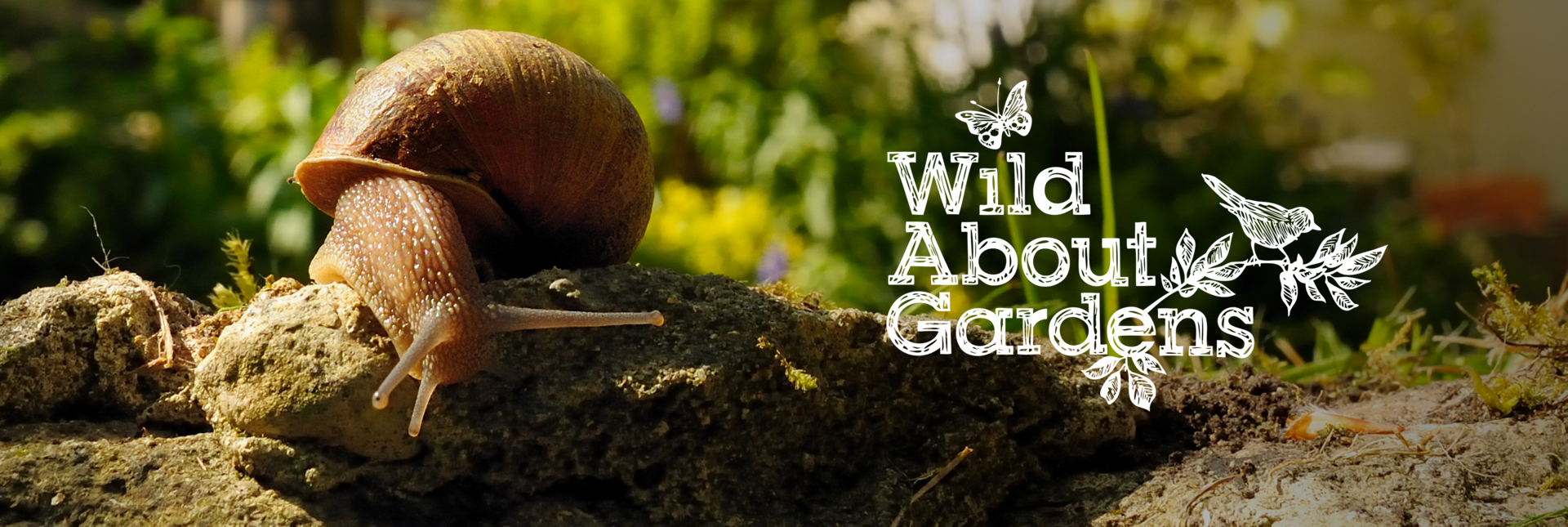
Garden snail © Nick Upton/2020VISION
Make friends with molluscs
Slugs, snails and wildlife gardening might seem like an odd combination. Gardening advice is often aimed at excluding these natural neighbours. But is there a way to live alongside them instead?
Slugs in particular have a bad reputation, but there are lots of slugs who act as garden helpers. Along with snails, they form an important part of the garden ecosystem. They recycle waste and are a food source for many other species, from birds to beetles. Learning to live alongside them is the best way to a balanced garden.
Where to start?
We can start by getting to know slugs and snails a little better! There are around 150 species in the UK and only a few cause problems for our prized plants. For instance, did you know there’s a hedgehog slug, a leopard slug and even a ghost slug?
Pledge to take a slug and snail safari and see how many different species you can discover in the wilds of your garden.
Gardening with slugs and snails
Learn even more about slugs and snails with our new booklet. It’s packed with facts, identification guides, and tips on how to protect your plants in a slug-friendly way.

Slugs are less keen on strong-smelling plants like onions. Get tips for growing them from Coronation Gardens.
How many people are taking slug and snail safaris
Layers
Wild About Gardens
The Wildlife Trusts and RHS set up Wild About Gardens to celebrate wildlife gardening and to encourage people to use their gardens to take action to help support nature. Many of our common garden visitors – including hedgehogs, house sparrows and starlings – are increasingly under threat. But together we can make a difference. Find out how our green spaces can provide for wildlife.


More ways to help wildlife
Click on a theme below to find out how to look after different species in the garden!

Get the latest from Wild About Gardens
Sign-up for our monthly e-news full of expert tips to support wildlife in your patch and the latest in wildlife gardening news.